PRODUCED AND BOTTLED IN MATTITUCK, NY


From Vine To Wine
The Making of Runaway Rabbit Wines
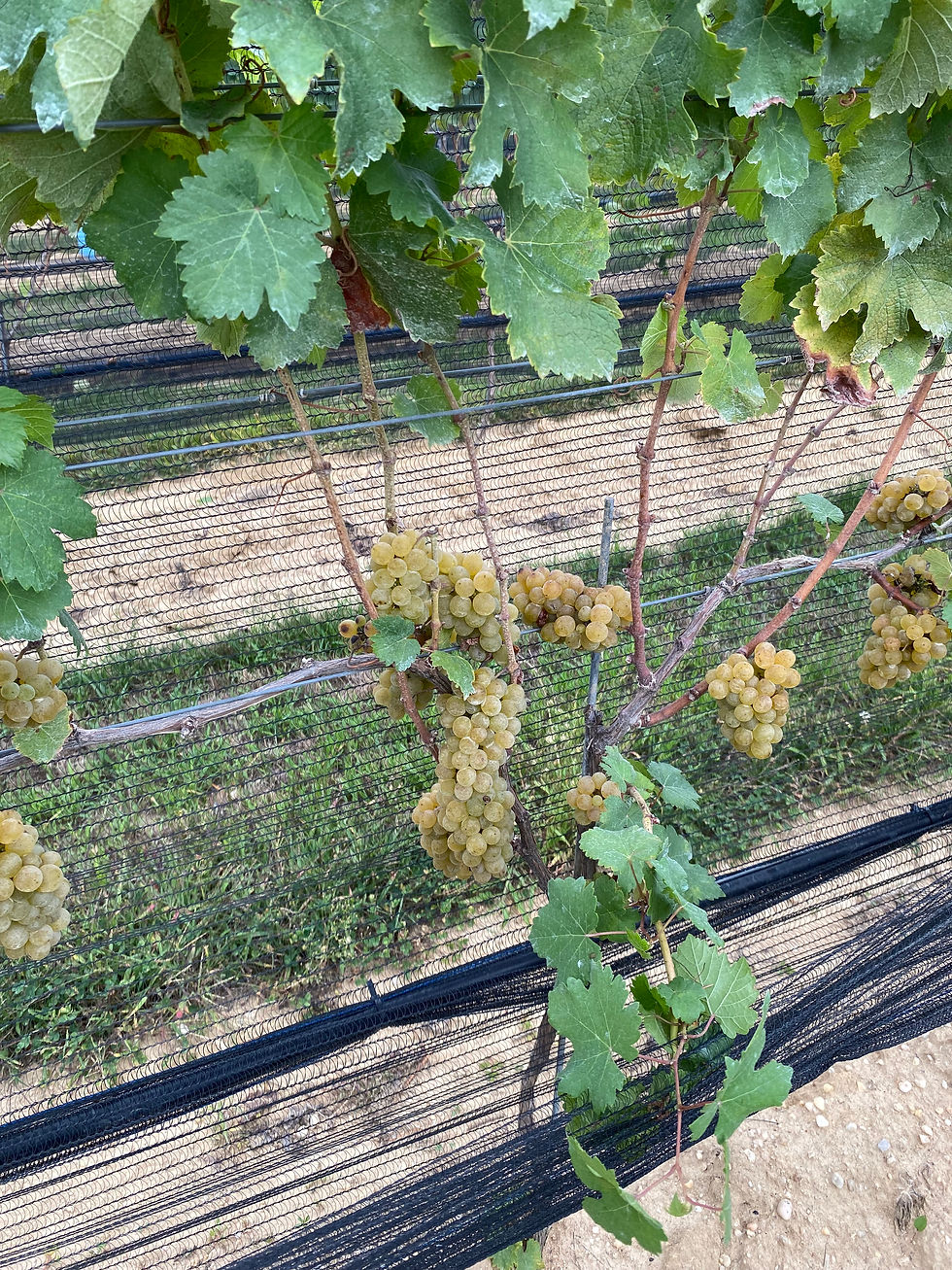
On The Vine

Hand-Harvested Grapes

Custom Crush Facility

First Taste

Blending

In Tank

Fill and Label Bottles

Load Into Boxes

On The Shelves

Our grapes are 100% from North Fork vineyards that follow sustainable farming practices. We use naturally occurring yeasts for fermentation and bottle our wines unfiltered.
About Us
How It All Started
Our company began with one woman’s love of orange wine and her passion for its unique and natural winemaking style. Runaway Rabbit Wines is a female-owned business founded by Andrea Farkas, a certified sommelier with over a decade of experience in the wine industry. We are a small, artisanal brand focusing on premium quality with minimal intervention.
Runaway Rabbit captures our passion for the complexity and distinctiveness of skin-contact wine. Our grapes are 100% from the North Fork and hand-harvested from vineyards that use sustainable-farming practices. Our wines are unfiltered and use indigenous yeast for fermentation.
Our wines are produced and bottled at Premium Wine Group in Mattituck, New York, and made by veteran winemaker John Leo. Like a free-roaming rabbit, our wine is an expression of nature running wild. We hope you enjoy its unbridled beauty in every glass.
Sustainably Farmed
Sold At Independent Retailers
Bottled Unfiltered

.png)
.jpg)
Our Story
Andrea has always been captivated by the world of wine and dreamed of producing her own brand. Once she tried her first orange wine, she knew she found her niche and thus embarked on an exciting journey to create her own orange wines.
Named after the beloved family bunny, Runaway Rabbit Wines symbolizes both the natural process of winemaking and the spirit of exploration. Every bottle of Runaway Rabbit orange wine reflects a commitment to quality, sustainability, and creating something that invites curiosity, like a rabbit on the run.
Orange wines are made using white wine grapes, but unlike traditional white wine, the grape skins are left in contact with the juice during fermentation. This adds color, tannins, and texture resulting in a wine with a deeper amber or orange hue, more complex flavors, and a richer mouthfeel compared to your average white wine.
